
From cacao beans to chocolate
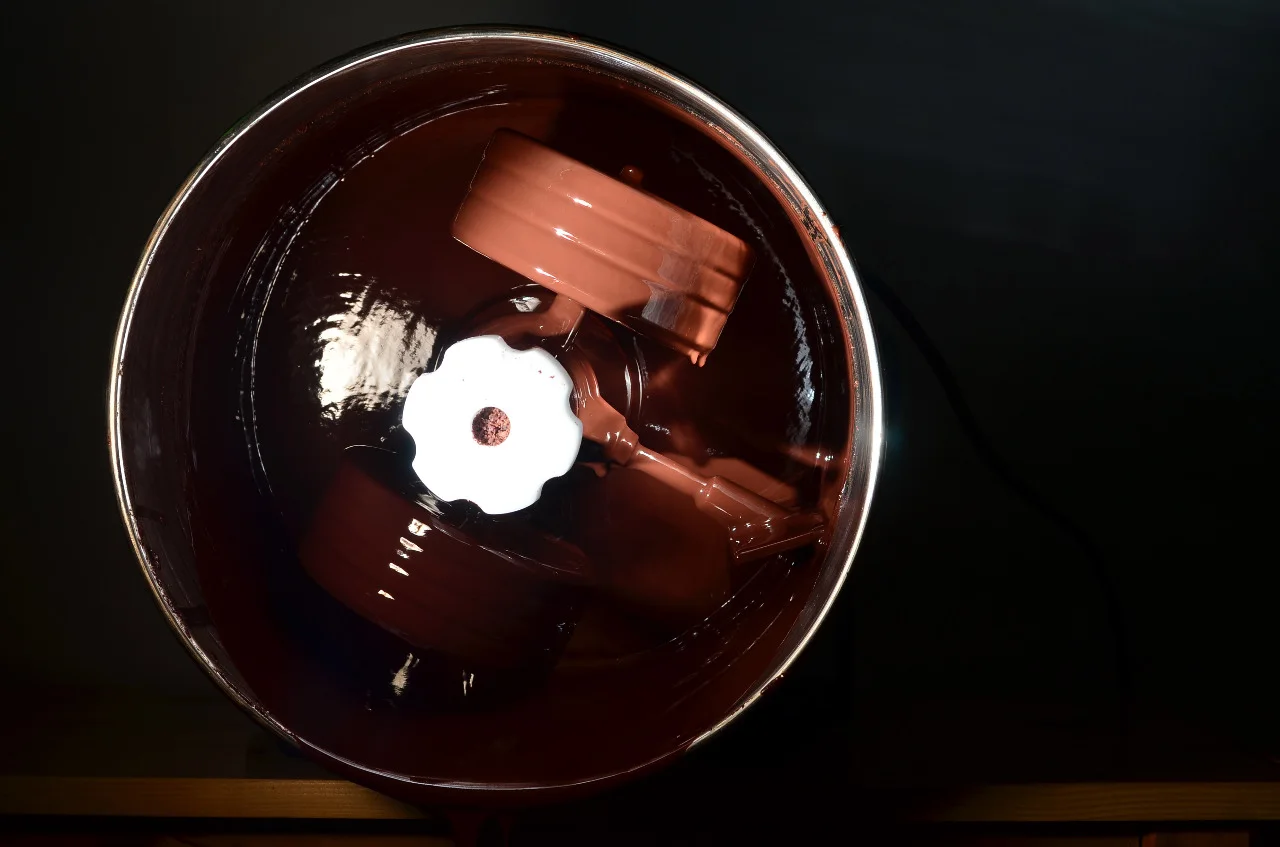
Chocolate making generally involves selecting beans, roasting, removing shells, grinding, refining, and forming the finished chocolate. The order and processing choices vary. Before beans reach the maker, growing and post-harvest work have already influenced their potential. A meaningful bean-to-bar story therefore includes farmers and cacao processors as well as the equipment in a chocolate workshop.
Does artisan always mean bean-to-bar?
Not necessarily. Artisan and craft describe an approach centred on skill and attention; bean-to-bar is more specific about where processing begins. A chocolatier can use finished chocolate to make exceptional bonbons or pralines. This distinction explains different kinds of work rather than ranking their value.
What should you read on a label?
Start with cacao origin, ingredients, cacao percentage, and the maker's identity. Read tasting notes as an invitation to explore. A high percentage alone cannot describe quality or the full tasting experience. When a label says single origin, look for whether that origin means a country, a region, or an individual farm.
How Boenbeans began
Our journey began with a question from a cacao farming group in Gunungkidul in 2014. After a year of learning, we brought our first chocolate back to them. That experience became the foundation of Boenbeans — Exotic Bean to Bar Chocolate — and our interest in Indonesian cacao and the people who care for it.
Choosing your first bar
Choose a flavour description that makes you curious. Taste two bars in small portions and write down the differences. Simple observations about fruit aromas, bitterness, texture, and the lingering finish are enough to begin a more thoughtful conversation with chocolate.