

Bring curiosity rather than fixed expectations
Words such as fruity, acidity, and finish help organise observations, but the coffee experience need not transfer exactly to chocolate. Chocolate melts and changes slowly in the mouth. Take time to understand its texture and the sequence of sensations, which differ from a brewed drink.
Start by tasting separately
Before pairing, taste the coffee and chocolate on their own. Record what feels dominant and what feels delicate. This makes it easier to recognise changes when they are enjoyed close together. Drinking water and a short pause give your palate room to pay attention again.
Treat pairing as a small experiment
There is no universal pairing that everyone must enjoy. Try one coffee with two chocolates, or one chocolate with two coffees. Change one choice at a time and note whether the combination clarifies, obscures, or changes the impressions you identified earlier.
Keep the language simple
Instead of forcing elaborate descriptions, write observations such as more acidic, sweetness lasts longer, or fruit aromas become clearer. Separate observation from personal judgement. You can recognise a character accurately while still not enjoying it.
Exploring Indonesian cacao
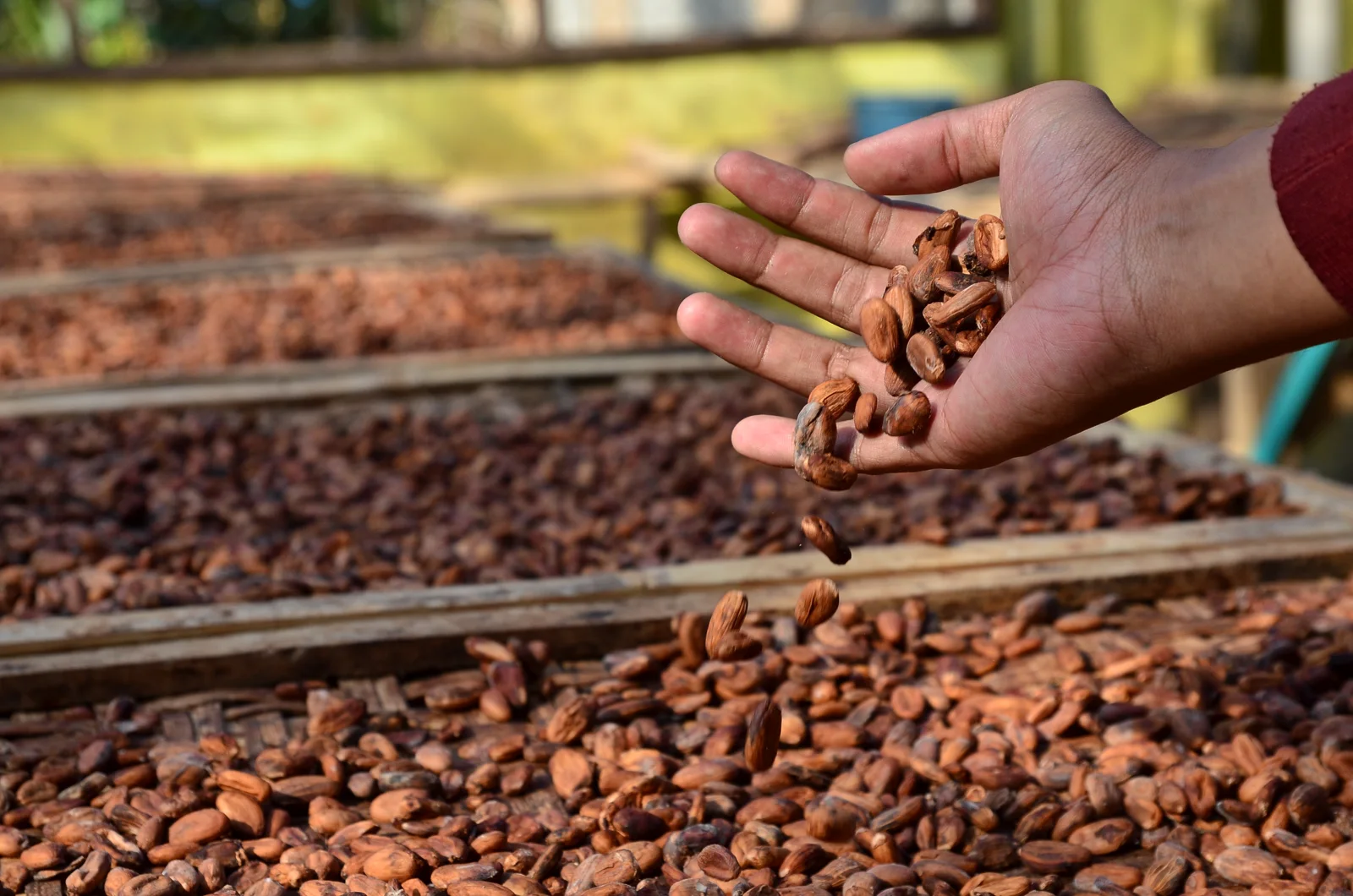
Boenbeans began with Gunungkidul cacao and a relationship with farmers we met in 2014. Its fruity character and aroma association with brem beras ketan, a fermented glutinous-rice delicacy, offer a conversation for curious palates. Start with a small piece and follow what changes as it melts. The pairing suggestions here are exploratory exercises, not the results of tests of specific product combinations.